📈 POPULATION & GEOGRAPHIC GROWTH
From 29,675 residents on 4.2 square miles to a projected 70,000 on 33 square miles. Watch population climb through the postwar boom, spike in the mall era, then plateau — before the reinvention decades push it upward again.
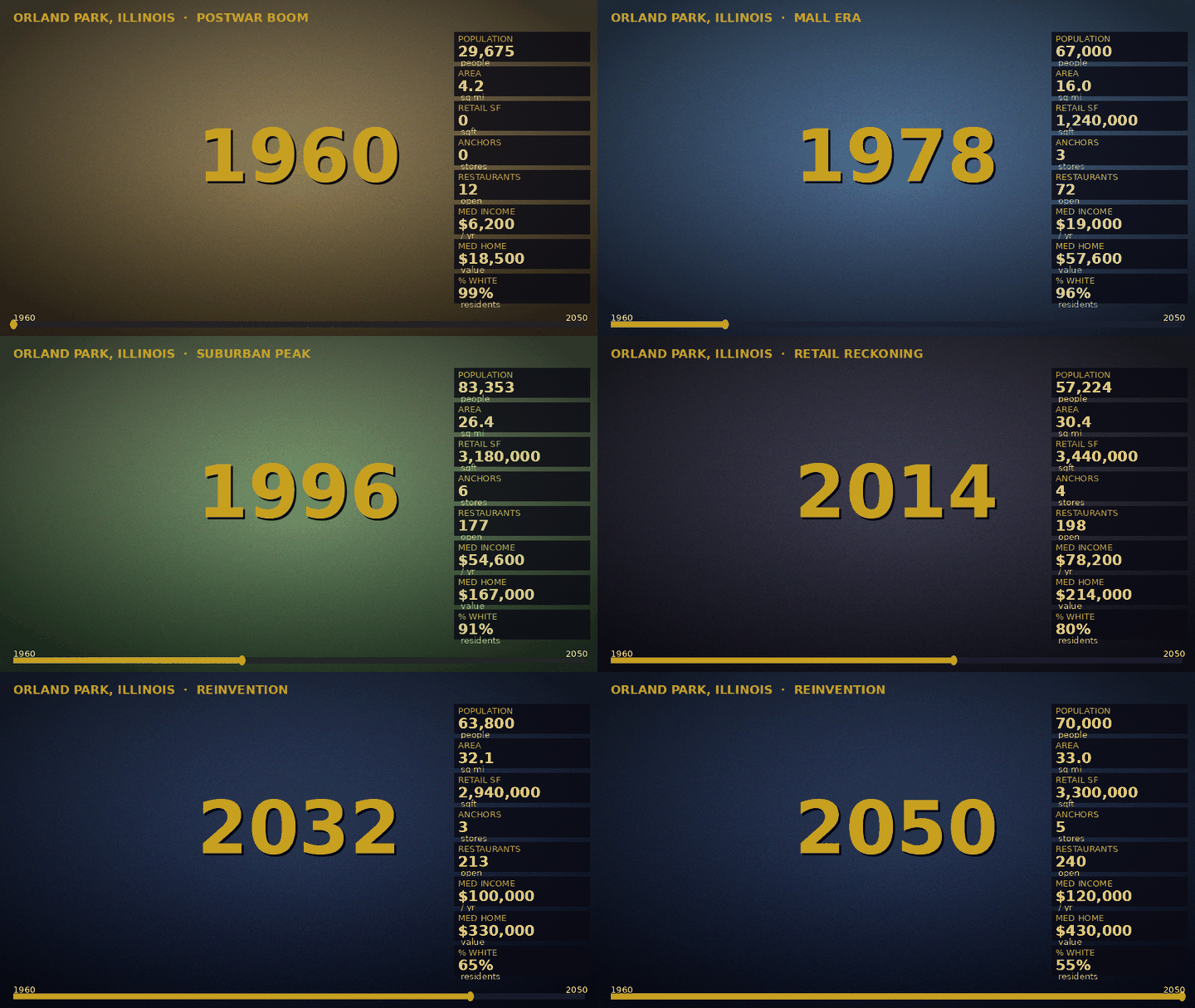
Key moments: 1976 — mall opens, population explodes ·· 2000 — census correction shows true municipal count ·· 2007 — CommScope departure shocks the job market ·· 2025 — Pekau voted out, Dodge era begins
🏬 RETAIL ECONOMY & COMMERCIAL GROWTH
The rise and fall and possible rebirth of Orland Park's retail economy. From Papa Joe's pizza in 1962 to 3.7 million square feet of retail at peak — to anchor after anchor closing, to a community trying to rebuild around experiences, not just stuff.
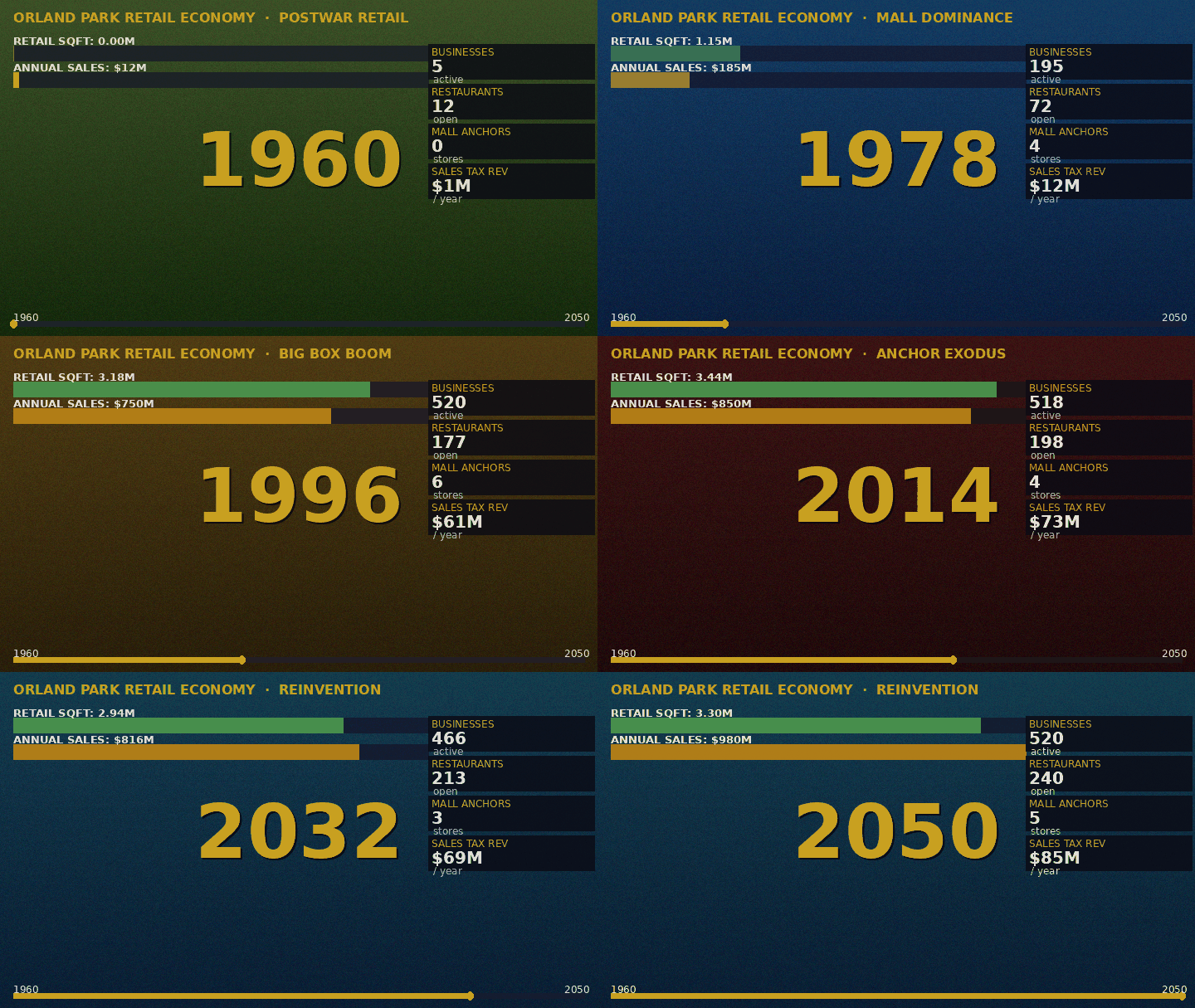
Key moments: 1962 — Papa Joe's opens, Orland's first enduring business ·· 1976 — Orland Square Mall transforms the entire regional economy ·· 2019 — Sears closes, the beginning of the anchor exodus ·· 2023 — $33M loan, no collateral, approved for one donor
👥 DEMOGRAPHICS & RACIAL TRANSFORMATION
In 1960, Orland Park was 99% white. By 2040, projections show no single racial majority. Watch the stacked demographic bar shift decade by decade as the children and grandchildren of Chicago's Southwest Side neighborhoods, and then the world, made Orland Park home.
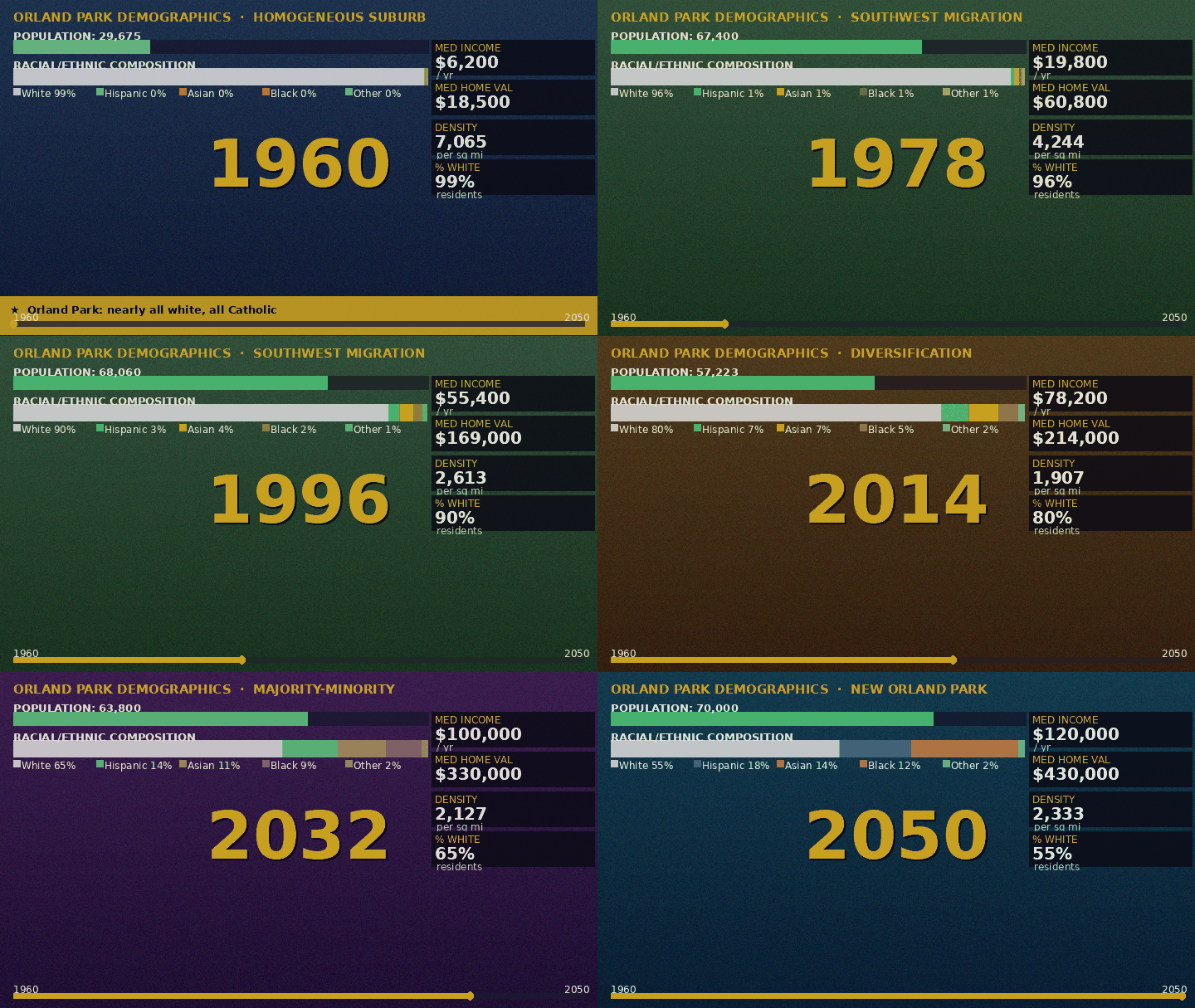
Key moments: 1970s–80s — Chicago-area families seek southwestern suburbs ·· 1990s — Asian and Hispanic populations begin meaningful growth ·· 2020 — COVID accelerates demographic shifts ·· 2040 — projected: no racial majority